Skip Hire in Neasden

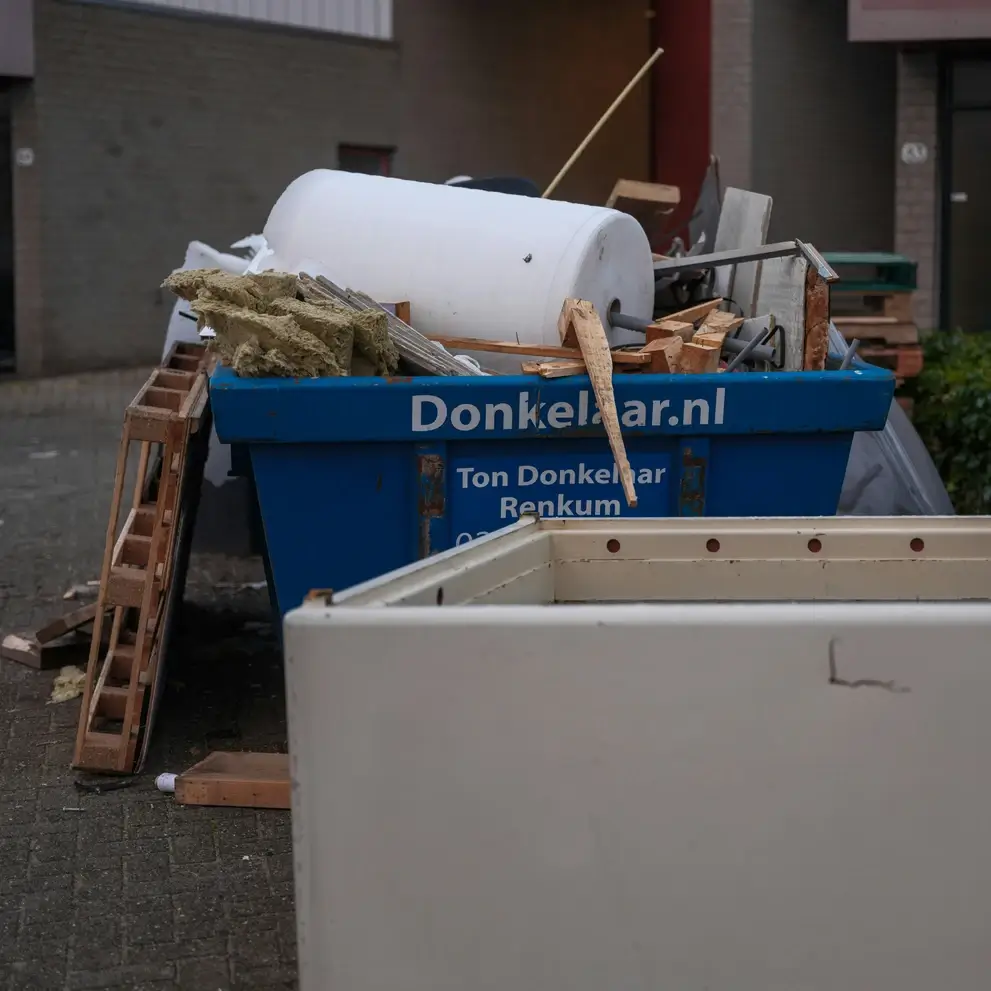
Skip hire in Neasden needs to be practical, straightforward and sized to suit the work in hand. We provide a clear way to manage mixed waste from home clear-outs, renovation jobs and trade work, with options that help customers choose the right container for the amount and type of material involved. Whether the job is planned in advance or needs arranging more quickly, the aim is to keep the process simple and the space tidy.
Our service covers a range of skip sizes and related waste handling choices, so you can match the container to the project rather than over-ordering or running short. That matters when the waste stream changes during the job, for example with timber, packaging, plasterboard, garden cuttings or general builders’ debris. Choosing the right size early can make loading easier and reduce disruption on site.
If you are comparing options, start with the type of material, access at the property and how long the waste is likely to build up. You can use the pages on our site to look at service types and decide what best fits your schedule. When you are ready, request a quotation and explain the work so the recommendation reflects the load and the location.
Skip sizes and waste types
Different jobs create different waste profiles, so the most useful skip is not always the biggest one. A smaller container may suit a bathroom strip-out, garden clearance or a series of bagged items, while a larger option can be better for heavier volumes from structural work or a longer refurbishment. The key is to think about what will actually go in, not just the size of the room or garden.
The skip sizes and prices page is a sensible place to begin if you want to compare the range before making a decision. It helps to match capacity with the amount of waste you expect, especially where awkward materials take up more room than they weigh. If you are unsure, describe the job clearly rather than guessing a size from memory.
For many customers, the right choice comes down to three things:
- the approximate volume of waste to be removed
- the mix of light, bulky or heavy materials
- the space available for delivery and collection
Domestic clear-outs and household projects
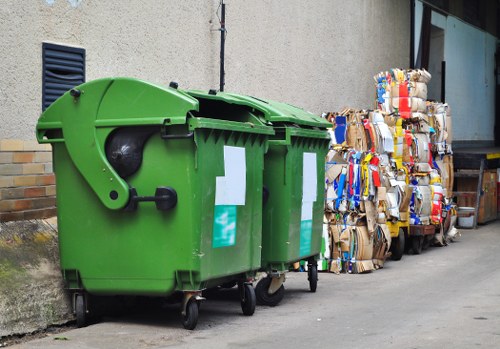
Home projects often produce a mixed load, so domestic skip hire can be useful for decluttering, refurbishment and general household changes. That might include old fittings, broken furniture, packaging from a delivery-heavy project or rubble from minor alterations. The service is designed to keep waste in one managed place rather than spreading it across drives, front rooms or gardens while the work is still underway.
For indoor clearances and room-by-room jobs, the surrounding access can matter as much as the waste itself. Hallways, shared entrances and parking space may all affect how the job is arranged. The domestic skip hire page gives a useful overview if you are planning a household project and want to understand how a skip can support the work from start to finish. Keep the load orderly and avoid mixing in restricted items.
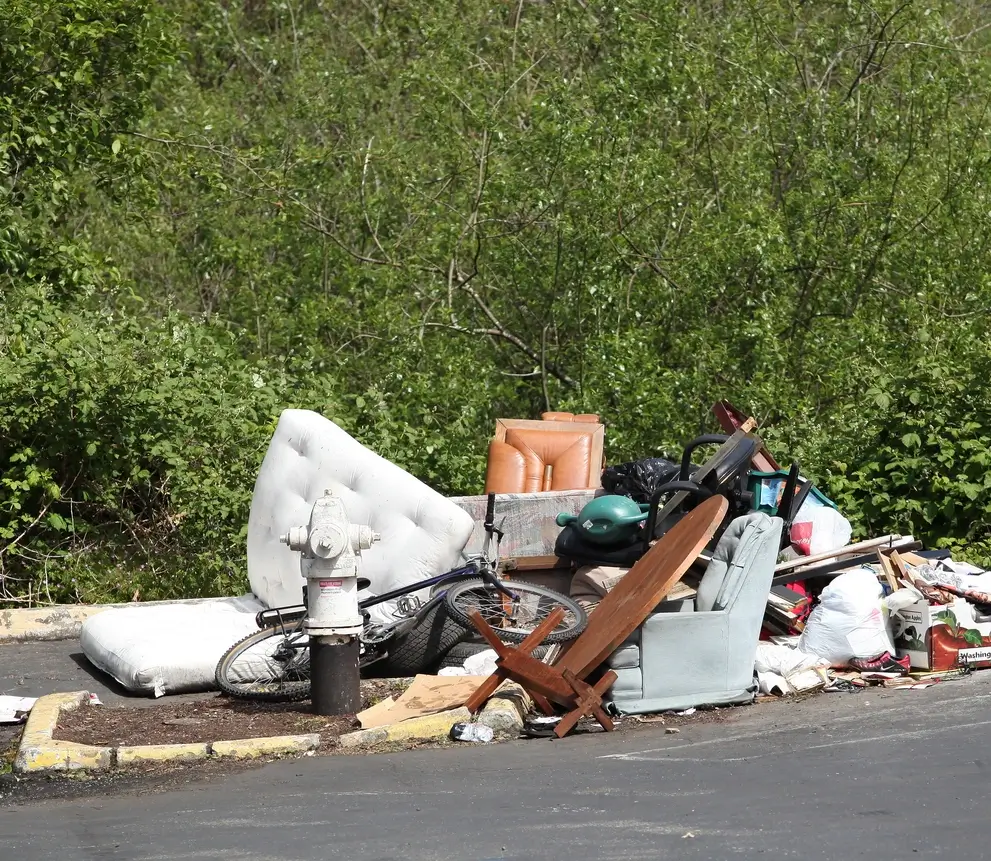
When a project includes bulky household waste, it can help to separate items as you go. Sofas, mattresses, timber offcuts and bagged rubbish may each need different handling, and placing them carefully in the skip can improve the usable capacity. A measured approach is often better than rushing the fill, especially where the job lasts several days and the waste arrives in stages.
Builders’ and construction waste
Trade work usually creates heavier and more varied waste, so builders’ skip hire needs to support rubble, broken materials, packaging and offcuts without turning the site into a bottleneck. This service is commonly used for refurbishment, demolition preparation, fit-outs and external works where waste comes off the job in repeated loads. Choosing a reliable container size helps keep the working area safer and easier to move around.
The builders’ skip hire service is suited to projects that produce ongoing waste rather than a single tidy load. It can be paired with the construction waste clearance page when the work involves removing material from the site as it accumulates. Where the waste is especially heavy, think carefully about the mix of rubble, soil, timber and packaging so that the container is filled efficiently.
Construction jobs often benefit from a planned loading order. Heavy material can sit at the bottom, lighter waste can fill the gaps, and long items should be cut or broken down only where that is safe and sensible. Good loading practice helps the available space go further and makes collection simpler. It also reduces the chance of leaving loose material around the site once the main work is complete.
Garden, garage and loft waste

Outdoor and storage clearances are often less predictable than they first appear. Garden waste can include cuttings, soil, fencing, old sleepers and seasonal debris, while garage and loft clearances can uncover broken household items, boxes, mixed junk and forgotten fixtures. Skip hire gives those jobs a single disposal point, which is useful when the work is spread over several hours or done in stages.
The garden waste removal page suits projects where green waste forms a large part of the load, while the garage and loft clearance page is more relevant when the waste is mixed and hard to sort in advance. These jobs can benefit from a slightly flexible approach because the waste often changes once sorting begins. Careful separation can also make the final load easier to manage.
In spaces such as lofts and garages, access is often tighter than the amount of waste suggests, so it is useful to think beyond volume alone. A clear route for moving items out, a sensible stacking pattern and a realistic view of what needs to be kept aside can all improve the job. If you are clearing a space over several days, a skip offers a straightforward way to keep progress visible.
Commercial and site-based waste
Commercial skip hire supports shops, offices, contractors and property managers who need waste removed without interrupting day-to-day work. It can be useful for refits, routine maintenance, storage-area clean-outs and ongoing operational waste where a single collection is not enough. A skip provides a controlled place for disposal, which helps keep work areas presentable and reduces unnecessary trips to and from the site.
For business customers, the timing of the work can matter as much as the type of waste. Some jobs suit a simple one-off container, while others need a more considered arrangement that follows the pace of the project. The commercial skip hire page outlines a suitable starting point, and the site clearance page is helpful where the waste is tied to a larger clearance or end-of-project handover. Accurate job details make it easier to choose well.
On a live site, it is worth planning where waste will be placed before work begins, especially if pedestrians, deliveries or other contractors need access. A neat loading area supports the main job as well as the collection itself. If different waste streams are involved, keeping them separate where practical can simplify the final disposal plan and avoid filling the container with empty packaging before the heavier material is handled.
What can go in a skip

Understanding acceptable waste is one of the most important parts of arranging a skip, because it affects both what can be loaded and how the material is handled afterwards. General mixed waste, timber, metals, rubble, household rubbish and many types of non-hazardous renovation debris are commonly accepted, but some items need special treatment or separate collection. The page below provides a practical reference before you start loading.
The what can go in a skip page is a useful guide for checking the basics before waste is placed into the container. It is particularly helpful where the load includes a mix of common household items and materials from building work. If you are not certain about a specific item, it is better to check first than to assume it can be added later without issue.
Separate disposal routes may be needed for items such as certain electrical goods, refrigerators, mattresses, confidential material or hazardous substances. Those categories are not the same as normal general waste, and they should be handled in line with the relevant guidance. Thinking about those differences early can save time during loading and helps keep the rest of the skip suitable for the main job.
Skip permits, access and placement
Where a skip will sit affects the whole arrangement, particularly if it is going on a public road rather than private land. In some cases a permit may be needed, and it is important to think about access for delivery and collection, along with nearby traffic, driveways and pathways. A well-placed skip is easier to use and less likely to interrupt the flow of the work.
The skip permits page is worth reading if the container may need to be positioned off your property boundary. It explains the area of consideration in a practical way and helps customers think through whether the chosen location is suitable. If the access is restricted, a different waste solution may be more convenient than forcing a skip into a difficult position.
When space is limited, small details can matter: gate widths, turning room, overhead obstacles and whether vehicles can stop safely near the delivery point. The less the driver has to guess, the smoother the job tends to be. Where the load is likely to stay on site for several days, a sensible position can make the difference between a tidy project and one that constantly gets in the way.
Same-day and flexible options

Some projects move faster than expected, and waste can build up quickly when a job expands or a deadline shifts. In those situations, a skip service with flexible timing can help prevent clutter from slowing down the rest of the work. The focus remains on choosing the right size and arranging the collection in a way that fits the pace of the project rather than creating extra pressure.
The same-day skip hire page is relevant if your planning needs are compressed and you want to see how a quicker arrangement may fit the work. Even where the timetable is tight, it still helps to have a clear idea of the waste type and the access conditions. That way the service can be matched to the job properly instead of being treated as a one-size-fits-all solution.
If you are balancing several tasks at once, a simple approach often works best: decide what is being removed, estimate the volume, and note anything unusual about the site. Then ask for a quotation using the details that matter most. If you are ready to proceed, request a quotation and explain the waste, the location and the timing.
Recycling and responsible disposal
Waste handling is not only about removal; it is also about sorting, recycling and directing material into suitable treatment routes where possible. That is especially relevant on projects that generate large quantities of mixed debris, because a clear plan for disposal can reduce unnecessary confusion at the point of loading. It also helps customers understand that not every item follows the same path once it leaves the site.
The recycling and sustainability page sets out the general approach to recycling within the service, while the waste recycling services page is useful for learning more about the broader handling of recoverable material. Customers who want to minimise avoidable contamination should load waste carefully and keep unsuitable items out of the skip from the start.
Responsible disposal begins with the way a job is organised. If reusable, recyclable and non-recyclable material are all mixed together without thought, the load becomes harder to manage. A more deliberate approach is usually better: separate what can be separated, flatten bulky packaging where safe to do so, and avoid putting in items that require special treatment. That simple discipline supports a cleaner finish.
About Neasden
Neasden is an area in northwest London within the London Borough of Brent, set around the A4088 and close to the wider corridor of the North Circular Road. Its name is closely associated with the junction between everyday residential streets, major transport routes and long-established local landmarks, giving it a character that is both urban and layered. The area sits near Wembley, Dollis Hill and Willesden, and it is connected to the wider city by Underground and main road links that have helped shape movement through the district for many years. One of the best-known landmarks is the BAPS Shri Swaminarayan Mandir on Brentfield Road, a richly detailed temple opened in 1995 and recognised for its intricate stonework and cultural significance. Nearby, the Ace Café on the North Circular has its own place in London’s motoring history and popular culture. Gladstone Park, just to the north-east, provides open space, long views and a valuable contrast to the built-up streets below. The area also includes a mix of housing types and small commercial premises, with traces of suburban growth from earlier phases of London expansion still visible in the street pattern and local architecture. Neasden’s setting means it has long functioned as a place of movement as well as residence, with roads, rail and bus connections linking it to central London and neighbouring districts. The result is an area where practical transport geography, religious architecture, community life and everyday urban use all sit side by side, giving Neasden a clear identity within Brent and within London more broadly.
Booking the right skip for the job
Once the project, waste type and access conditions are clear, choosing a skip becomes much easier. A smaller domestic load may need a different approach from a heavier builders’ job, and a commercial clearance may need its own timing and placement considerations. The best results usually come from matching the container to the task instead of assuming the same solution fits every type of waste.
You can review the relevant service pages above, then compare the options that best suit your job. If you are still deciding, the pricing and quotes page is a sensible final step before you make contact. It can help you prepare the details needed for an accurate quotation, especially when the waste is mixed or the access is limited.
Speak to us when you are ready, or take a moment to check the pages most relevant to your project. If you want to move ahead, request a quotation and send the key facts about the waste, the site and the timeframe.